
"coffee roast method"
20000 article(s) found

Coffee beans roasting knowledge Roasting method Temperature
1. Picking is divided into mechanical picking and manual picking. Mechanical picking is suitable for coffee plantations with flat land and large areas. Brazil is the most popular country in the world to use mechanical picking coffee. This method is characterized by low cost and high efficiency, but the coffee beans picked are uneven and of poor quality. For coffee beans with higher quality requirements, the method of manual picking is generally adopted. This method ensures that
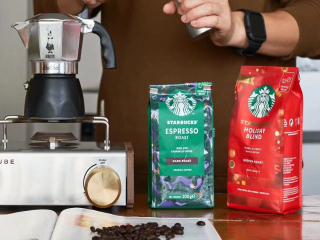
13 varieties of Starbucks Coffee beans which kind of good taste is recommended to distinguish Starbucks from American Coffee beans
Professional coffee knowledge exchange more coffee beans information please follow the beans bought by the coffee workshop (Wechat official account cafe_style) in Starbucks a few times ago, to share with you. If it is not a professional, it is purely shared, and the opinions are also very subjective. 1.2.3Aribia from right to left

What are the effects of different roasting methods and degrees of roasting on the taste of coffee?
Coffee roasting time determines the taste, aroma, taste and acidity of coffee, so to learn more about coffee, you must first understand the effects of different roasting methods and roasting degrees on coffee taste. To put it simply, baking is to let the raw beans absorb the high temperature in the baking oven in constant rotation until they are ripe to the ideal level. During the roasting process, coffee beans

Roasting technology of boutique coffee roasting method of white coffee
Malaysian specialty, unique roasting technology, much lighter color than black coffee, so named after "white coffee", coffee beans do not add caramel, a large amount of caffeine is removed after low-temperature roasting, and the bitter and sour taste is less than that produced by high-temperature carbon roasting. Caffeine content is also lower, do not add any additives to enhance the flavor, retain the original coffee flavor, irritation to the gastrointestinal tract

Introduction to the drinking method of roasted coffee beans and the taste of brewing method
It is clear at a glance whether the coffee is delicious or not. even after 30 minutes, the color is still clear and the taste will not change. Judging from the taste and aroma of coffee, delicious coffee is as sour as citrus fruit without strong sour taste. Bitterness is a soft bitterness. There is no bitterness like cigarette or scorch. The shape was discussed before judging from the quality of raw beans.

Eight ways of roasting coffee beans
Different roasting methods, different roasting degrees, the taste of coffee is not the same, different coffee, roasting methods are not the same. Therefore, the way of roasting is very important and exquisite for coffee. The eight stages of roasting: the roasting methods of professional coffee are usually divided into the following eight ways. 1. Very shallow baking (LIGHT Roast): baking degree; very shallow baking

Make your own fresh coffee beans, pick raw beans, roast raw beans.
Just picked coffee 1, raw bean processing: 1, picking is divided into mechanical picking and manual picking. Mechanical picking is suitable for coffee gardens with flat land and large areas of planting. Brazil is the most frequent user of mechanical picking coffee in the world. This method is characterized by low cost and high efficiency, but the coffee beans picked are uneven and of poor quality. Coffee beans with higher quality requirements are generally used.

Fine Coffee knowledge eight professional roasting methods of coffee beans
The eight stages of roasting: the roasting methods of professional coffee are usually divided into the following eight ways. 1. Very shallow baking (LIGHT Roast): the degree of baking; very shallow baking, also known as shallow baking. The lightest roasting degree of all roasting stages, the surface of the coffee beans is a light cinnamon color, its taste and aroma are insufficient, this state is almost undrinkable. It is generally used for testing, but rarely for products.

Common sense of traditional Italian oak roasting method of coffee
There are many ways to roast coffee beans. Nowadays, most businesses use modern baking methods (hot air), which can not completely release the taste of coffee, nor can it be produced efficiently. However, professional, high-quality coffee roasters still insist on using the traditional Italian oak roasting method to bake coffee, which has a long history and can ensure the quality of coffee.
Roasting method of White Coffee
Malaysian specialty, unique roasting technology, much lighter color than black coffee, so named after "white coffee", coffee beans do not add caramel, a large amount of caffeine is removed after low-temperature roasting, and the bitter and sour taste is less than that produced by high-temperature carbon roasting. Caffeine content is also lower, do not add any additives to enhance the flavor, retain the original coffee flavor, irritation to the gastrointestinal tract

General knowledge of coffee roasting in traditional Italian oak baking method
There are many ways to roast coffee beans. Nowadays, most businesses use modern baking methods (hot air), which can not completely release the taste of coffee, nor can it be produced efficiently. However, professional, high-quality coffee roasters still insist on using the traditional Italian oak roasting method to bake coffee, which has a long history and can ensure the quality of coffee.

What is the difference between full-roasted and semi-roasted coffee? there are eight ways to roast coffee beans
There are eight ways of roasting coffee beans, different roasting methods, different roasting degrees, the taste of coffee is also different, different coffee, roasting methods are not the same. Therefore, the way of roasting is very important and exquisite for coffee. The eight stages of roasting: the roasting methods of professional coffee are usually divided into the following eight ways. 1. Very shallow baking (LIGHT Roast)
Special roasting technology of coffee beans traditional Italian oak baking method
There are many ways to roast coffee beans. Nowadays, most businesses use modern baking methods (hot air), which can not completely release the taste of coffee, nor can it be produced efficiently. However, professional, high-quality coffee roasters still insist on using the traditional Italian oak roasting method to bake coffee, which has a long history and can ensure the quality of coffee.
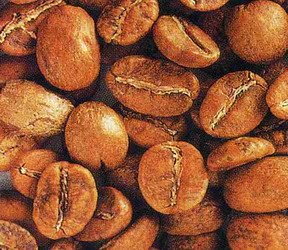
Coffee bean processing method Roasting technology skills: Coffee bean roasting degree introduction
The taste of coffee depends mainly on the roast, generally lighter roast will have a brighter sour, darker roast will have a stronger bitter, this is the basic rule. The depth of roasting depends mainly on the characteristics of raw beans, personal preferences and other factors, the most important thing is the balance of bitterness and sourness. Baking can be divided into light, medium, dark and very dark baking.

Roasting method of White Coffee with low caffeine content baked at low temperature in Malaysia
Why is white coffee not bitter, scorched or sour? Because white coffee is roasted at a low temperature, coffee beans are less likely to be scorched due to high temperature roasting, which can minimize the bitterness, charring and acidity of the coffee. Roasting at low temperature is the most important step for every coffee bean to outline its character and breed its fragrance. The raw beans of white coffee show an elegant brown by roasting, and this method of baking

Introduction of Starbucks Sumatra Deep Baking Flavor and Taste description treatment method Grinding scale
Starbucks Sumatra deep-roasted flavor description processing grinding scale Starbucks Coffee Company, founded in 1971, has always been committed to business ethics in purchasing and roasting the world's top 3% high-quality Arabica coffee beans. Today, Starbucks with stores all over the world has become the world's leading professional coffee roaster and retailer. Starbucks has always insisted on

How to Bake Coffee beans? several baking methods of coffee beans
When you buy roasted coffee beans, you will notice the color and shape of the coffee. if the beans are full and uniform, this is a properly roasted and good quality coffee. in addition, after baking for a period of time, oil will appear on the surface of the beans, but don't forget that even fresh coffee beans will appear on the surface after deep baking. We're talking about coffee roasting (

Sumatran Coffee Bean processing methods introduction to the taste of characteristic varieties in manor producing area
Through roasting, raw coffee beans can release the special aroma of coffee. Each coffee bean contains its fragrance, sour taste, sweetness and bitterness. How to release it incisively and vividly is to observe the heat of its baking, from the insipid raw beans to the mellow aftertaste in the cup. Roasting-it is a very important step for each coffee bean to outline its character and nurture fragrance during its long journey. Coffee
Roasting method of Coffee knowledge White Coffee
Malaysian specialty, unique roasting technology, much lighter color than black coffee, so named after "white coffee", coffee beans do not add caramel, a large amount of caffeine is removed after low-temperature roasting, and the bitter and sour taste is less than that produced by high-temperature carbon roasting. Caffeine content is also lower, do not add any additives to enhance the flavor, retain the original coffee flavor, irritation to the gastrointestinal tract

The baking method of white coffee how to bake white coffee? The method of making White Coffee
Malaysian specialty, unique roasting technology, much lighter color than black coffee, so named after "white coffee", coffee beans do not add caramel, a large amount of caffeine is removed after low-temperature roasting, and the bitter and sour taste is less than that produced by high-temperature carbon roasting. Caffeine content is also lower, do not add any additives to enhance the flavor, retain the original coffee flavor, irritation to the gastrointestinal tract